Nutrition for Male Vitality
Explore comprehensive nutritional information designed to support men's health and well-being. Learn about food choices, nutrients, and lifestyle factors that contribute to overall vitality and quality of life.

Foundational Nutritional Principles for Men
Men's nutritional needs are similar to general adult guidelines, with individual variation based on age, activity level, and overall health. Understanding fundamental nutritional principles enables informed dietary choices that support sustained wellness.
Key Nutritional Priorities
- Balanced macronutrient intake: Carbohydrates for energy, proteins for body maintenance, healthy fats for cellular function
- Adequate micronutrient diversity: Vitamins and minerals from varied whole food sources
- Sufficient fiber intake: Supporting digestive health and metabolic function
- Consistent hydration: Essential for all physiological processes
- Meal timing and patterns: Regular eating that supports energy and metabolism
These principles form the foundation of dietary patterns that support long-term health, energy, and vitality.
Zinc and Cellular Function
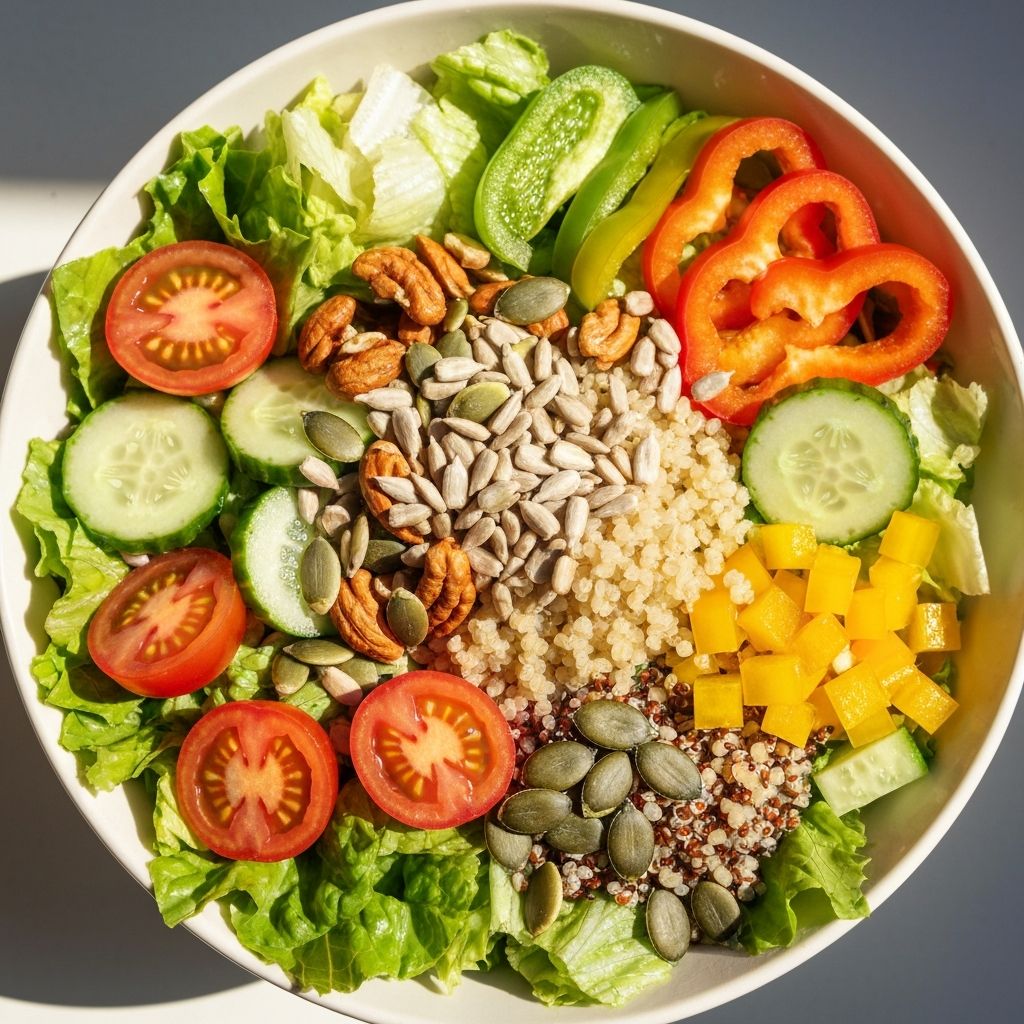
Zinc is a mineral essential for normal immune function, wound healing, protein synthesis, and DNA formation. Men's increased zinc requirements support these vital physiological processes.
Zinc Food Sources
- Oysters and shellfish (highest concentration)
- Beef and poultry
- Pumpkin seeds and other seeds
- Chickpeas and legumes
- Nuts like cashews and almonds
- Whole grains
Zinc and Overall Wellness
Adequate zinc intake supports immune resilience, cellular repair processes, and the body's natural healing capacity. Dietary variety ensures consistent zinc availability.
Iron: Transport of Oxygen and Energy
Iron plays a critical role in oxygen transport through hemoglobin, supporting energy production and cardiovascular function. Understanding iron sources helps ensure adequate intake.
Types of Dietary Iron
Heme iron (from animal sources) is more efficiently absorbed. Found in beef, fish, poultry, and shellfish.
Non-heme iron (from plant sources) is less readily absorbed. Found in legumes, spinach, fortified grains, and nuts. Pairing with vitamin C improves absorption.
Supporting Healthy Iron Levels
- Include iron-rich foods consistently throughout the week
- Combine plant-based iron with vitamin C sources (citrus, tomatoes) to enhance absorption
- Space iron-rich meals throughout the day
- Maintain overall dietary variety for complementary nutrients
Magnesium for Muscle Function and Energy

Magnesium is involved in over 300 enzymatic reactions, supporting muscle function, energy production, nervous system regulation, and stress resilience. Adequate intake is particularly important for active individuals.
Magnesium Food Sources
- Dark leafy greens (spinach, kale)
- Almonds and other nuts
- Pumpkin seeds
- Black beans and legumes
- Whole grains and oats
- Dark chocolate (in moderation)
Benefits for Active Men
Magnesium supports muscle recovery after physical activity, contributes to muscle function during exercise, and helps maintain steady energy levels throughout the day.
B Vitamins and Energy Metabolism
The B Complex in Detail
B vitamins work together to convert food into cellular energy and support nervous system function. Men, particularly those with higher activity levels, benefit from consistent B vitamin intake.
Key B Vitamins
- B1 (Thiamine): Energy metabolism and nerve function
- B2 (Riboflavin): Energy production and cellular repair
- B3 (Niacin): DNA repair and energy metabolism
- B5 (Pantothenic acid): Hormone and cholesterol production
- B6: Protein metabolism and neurotransmitter synthesis
- B12: Red blood cell formation and nervous system function (primarily animal sources)
- Folate: Cell division and DNA synthesis
B Vitamin Food Sources
Diverse sources provide the full B complex: whole grains, legumes, leafy greens, animal proteins, eggs, nuts, and seeds. No single food contains all B vitamins, making dietary diversity essential.
Antioxidants and Cellular Protection
Antioxidants are compounds that help protect cells from oxidative stress, a natural byproduct of metabolism and physical activity. Regular antioxidant intake supports cellular health and resilience.
Antioxidant-Rich Foods
- Colorful vegetables: Tomatoes, peppers, carrots, beets
- Berries: Blueberries, raspberries, strawberries
- Dark leafy greens: Spinach, kale, Swiss chard
- Nuts and seeds: Almonds, walnuts, sunflower seeds
- Whole grains: Brown rice, oats, quinoa
- Other sources: Green tea, dark chocolate, legumes
Practical Integration
Simply increasing the variety and quantity of plant-based foods naturally increases antioxidant intake. Eating the widest spectrum of colors—from deep reds and purples to vibrant greens—ensures diverse antioxidant exposure.
Balanced Diet for Holistic Well-being
Creating Meals That Support Vitality
A balanced approach to eating integrates the principles outlined above into practical, enjoyable meals. Rather than focusing on restrictions, this approach emphasizes abundance and variety.
Meal Structure Recommendation
- Half plate: Vegetables and fruits (varied colors)
- Quarter plate: Lean protein (fish, poultry, legumes, eggs)
- Quarter plate: Whole grains or starchy vegetables
- Added: Healthy fats (olive oil, nuts, avocado) in moderation
Eating Patterns That Work
Consistency matters more than perfection. Regular meals with balanced nutrients support steady energy, mood stability, and metabolic efficiency. Occasional meals outside this framework do not negate the benefits of overall balanced eating patterns.
Hydration for Physical Activity
Water is essential for athletic performance, recovery, and overall function. Active individuals have increased hydration needs compared to sedentary individuals.
Hydration Guidelines for Activity
- Drink water consistently throughout the day
- Increase intake on days with physical activity
- Monitor hydration status through urine color (pale indicates adequate hydration)
- Drink water before, during, and after exercise
- Account for climate and altitude affecting hydration needs
Beyond Water
While water is primary, other hydrating beverages and water-rich foods (fruits and vegetables) contribute to total fluid intake. For intense or prolonged exercise, beverages containing electrolytes and carbohydrates may provide additional benefits.
Discover More Information
Explore our comprehensive resource on nutritional foundations and health principles. Learn how balanced eating supports a thriving life.
Return to Knowledge Hub